
How much to drink, when to drink, and why timing often matters more than quantity.
Read the BasicsWater keeps your body running smoothly — from staying cool to moving nutrients around. You still need it at night, but most of your drinking usually happens during the day.
Some studies have looked at links between how much people drink and how they rest at night. The results aren't clear-cut, and we can't tell you what's right for your body specifically.
Not drinking enough may leave you feeling off during the day. Drinking too much right before bed may mean extra bathroom trips. These are common-sense habits, not medical instructions.
Electrolytes — sodium, potassium, magnesium — work alongside water to maintain cellular function. A diet rich in whole foods typically provides adequate electrolytes without supplementation, but heavy sweating from exercise or hot weather may increase your needs.
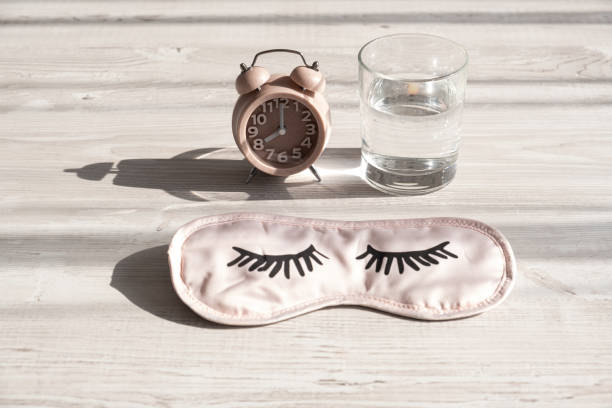
There's no one perfect amount of water for all people. Yours depends on age, how active you are, the weather, and what you eat.
Pale yellow urine usually means you're drinking enough. Darker urine may mean you need more during the day — not necessarily right before bed. Thirst is a good signal for most healthy adults.
Try tracking your habits for a week: when you drink, how much, and whether you wake at night. Adjust slowly rather than all at once.
Drinking a lot right before bed can mean more bathroom trips. Spreading water through the day is what most people aim for.
Sip through the day, then ease off in the last hour or two before bed. A small drink if you're thirsty is fine; a full glass right before sleep often isn't.
Herbal teas, broths, milk, and water-rich foods all contribute to daily fluid intake. Counting only glasses of tap water underestimates your total hydration.
Caffeine has a mild diuretic effect; alcohol disrupts sleep architecture and increases dehydration. Limit both in the hours before bed for smoother rest.
Not all your fluid comes from a glass. Soups, salads, fruit, and vegetables all add up — sometimes a fifth or more of what you need each day.
Water-rich evening options include clear soups, steamed vegetables, fresh salads with cucumber and tomato, and fruits like melon or oranges. These foods also provide fibre, vitamins, and minerals that support overall wellbeing. A miso soup or vegetable broth can be both nourishing and hydrating — fitting naturally into a calm evening meal.
Herbal teas without caffeine make excellent wind-down beverages. Chamomile has been studied for its mild calming properties; rooibos is naturally caffeine-free and rich in antioxidants; peppermint can aid digestion after dinner. Keep portions moderate — one cup, not a pot — to avoid late-night bathroom trips.
Electrolyte balance matters too. If you exercise heavily or sweat profusely, a balanced meal with potassium-rich foods (bananas, sweet potatoes, spinach) helps restore what was lost. Commercial electrolyte drinks are usually unnecessary for everyday evening routines unless you have specific athletic demands.