
Plain, practical ideas to help you shift from a busy day to a quieter night. No special gear needed — just habits that many people find helpful.
Try a Breathing ExerciseYour body doesn't switch off the instant you lie down. It picks up on small signals — light, warmth, routine, and quiet.
Lots of people like having a short calm period before bed — sometimes called a "buffer zone." Doing the same small things each night can tell your body the day is winding down. This isn't about forcing sleep or expecting instant results. It's about creating a familiar rhythm.
Even fifteen quiet minutes can make a difference. Your breathing may slow, your shoulders may drop, and your thoughts may feel less noisy. Think of it like closing browser tabs — one small step at a time.
In Christchurch and across New Zealand, evenings look different depending on the season. A flexible routine you can adjust — warm summer nights or cold winter ones — usually works better than a strict checklist.
After a full day, it's normal to still feel switched on. The ideas on this site are everyday habits — not treatments — and what works for one person may not work for another.
Drinking enough water during the day is part of feeling comfortable in the evening. Some people prefer to drink less right before bed so they don't need the bathroom at night.
We share common habits that many people try. They're not personalised advice — just starting points you can adapt.
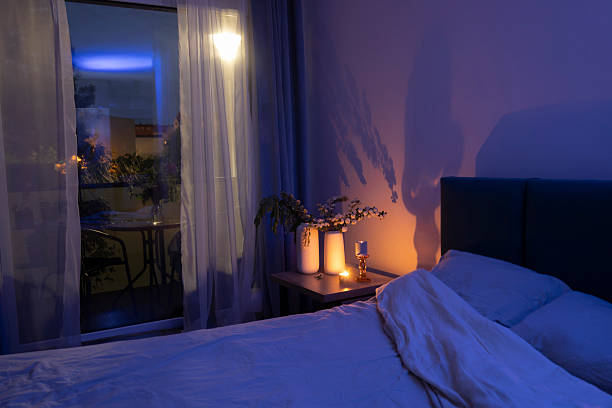
Your breath is always with you — no app, no equipment. A few minutes of slow breathing is one of the easiest places to begin.
Inhale through the nose for four counts, hold for seven, exhale through the mouth for eight. Some people use this pattern to feel more settled. Repeat four to six cycles while seated comfortably if it feels comfortable for you.
Inhale for four counts, hold for four, exhale for four, hold for four. Used by athletes and performers to manage pre-event nerves, this symmetrical pattern creates a steady rhythm that the mind can follow without effort.
Put one hand on your chest and one on your belly. Breathe so only your belly hand moves. This encourages deeper, slower breaths instead of shallow chest breathing.
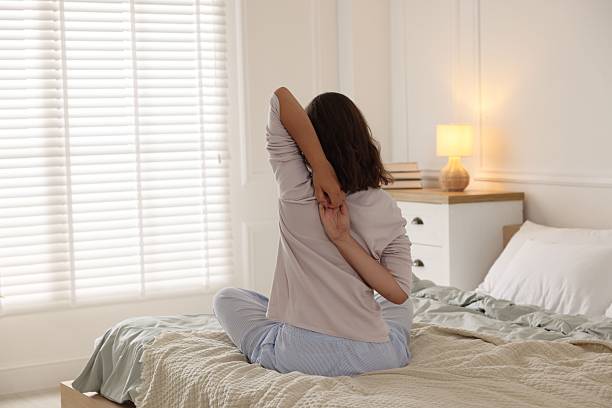
Stress often lands in the jaw, shoulders, lower back, or hands. A body scan is a simple way to notice those spots and soften them without pushing too hard.
Start at your head and work down: forehead, eyes, jaw, neck, shoulders, arms, chest, belly, hips, legs, feet. Pause briefly at each spot. If something feels tight, breathe into it and let it ease on the exhale.
Another option: tense each muscle group for five seconds, then release for ten. Feeling the difference between tight and loose can help your body recognise what relaxed actually feels like.
It's easy to forget about water, but it matters for how you feel day to day — including in the evening.
Sipping water through the day — rather than gulping a lot right before bed — works well for a lot of people. Too much late at night can mean extra trips to the bathroom.
Herbal teas like chamomile, rooibos, or peppermint can be a nice part of your evening if you enjoy them. Just keep it to one cup, not a whole pot.
How much water you need changes with age, activity, weather, and what you eat. A walk in the Port Hills on a hot day is different from a quiet day indoors.
Soups, fruit, and vegetables count too — not just glasses of tap water. More isn't always better; listen to your thirst and see what feels right over a week or so.
Your routine doesn't need to be fancy. Even three small steps — dim the lights, make a cup of tea, read for ten minutes — can mark the end of the day. In the wabi-sabi spirit, imperfect evenings are fine. Missing a night isn't failure; just pick it up again tomorrow.
Doing the same things at roughly the same time helps your brain know what's coming. After a couple of weeks, starting the routine alone may already feel calming.
We're a small team in Merivale, Christchurch, sharing free articles about evening calm — breathing, gentle movement, water habits, and simple routines.
What we do: write easy-to-read lifestyle guides for everyday evenings.
What we don't do: run a clinic, sell medicines or supplements, or offer medical advice online.
If you have a health question, please talk to your doctor or another qualified professional. Our articles are starting points, not personal prescriptions.